Orthopedic terminology PDFs compile essential vocab for clinicians and patients, offering clear, non‑technical definitions of over 4,000 musculoskeletal terms and 500 abbreviations. These resources bridge knowledge gaps, improve communication, and reduce misinterpretation during consultations. More.OK!.
Role in Clinical Practice
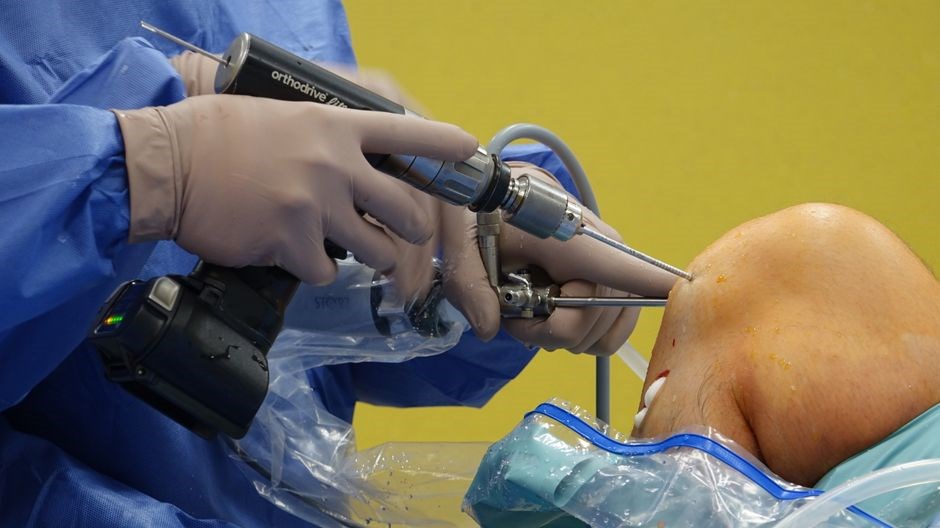
Orthopedic terminology PDFs serve as a cornerstone in modern clinical workflows, enabling precise documentation, streamlined ordering, and accurate coding. By presenting over 4,000 common musculoskeletal terms in plain language, these documents empower clinicians to articulate diagnoses, treatment plans, and postoperative instructions with clarity that reduces ambiguity. The inclusion of a dedicated section of 500 abbreviations and acronyms further standardizes communication across multidisciplinary teams, ensuring that surgeons, nurses, and allied health professionals interpret imaging reports, surgical notes, and rehabilitation protocols uniformly. In practice, a well‑structured PDF reference allows providers to quickly verify terminology during chart reviews, audit processes, and inter‑facility transfers, thereby minimizing errors that could compromise patient safety. Moreover, the use of a standardized glossary facilitates compliance with regulatory reporting requirements and enhances the accuracy of billing codes, which directly impacts reimbursement and institutional financial health. For trainees and residents, these PDFs act as an educational scaffold, reinforcing anatomical knowledge and fostering consistency in language use across rotations and specialty conferences. Finally, the accessibility of downloadable PDFs supports point‑of‑care decision making, allowing clinicians to reference terminology during emergency encounters or outpatient visits without the need for additional hardware or subscription services. In sum, orthopedic terminology PDFs are integral to achieving high‑quality, patient‑centered care through improved communication, documentation fidelity, and operational efficiency.
Additionally, the PDF format ensures that updates to terminology—such as new surgical techniques or evolving classification systems—can be disseminated to all clinical staff. By embedding hyperlinks to external resources, the document can serve as a gateway to evidence‑based guidelines, imaging atlases, and patient education materials, thereby supporting shared decisions.
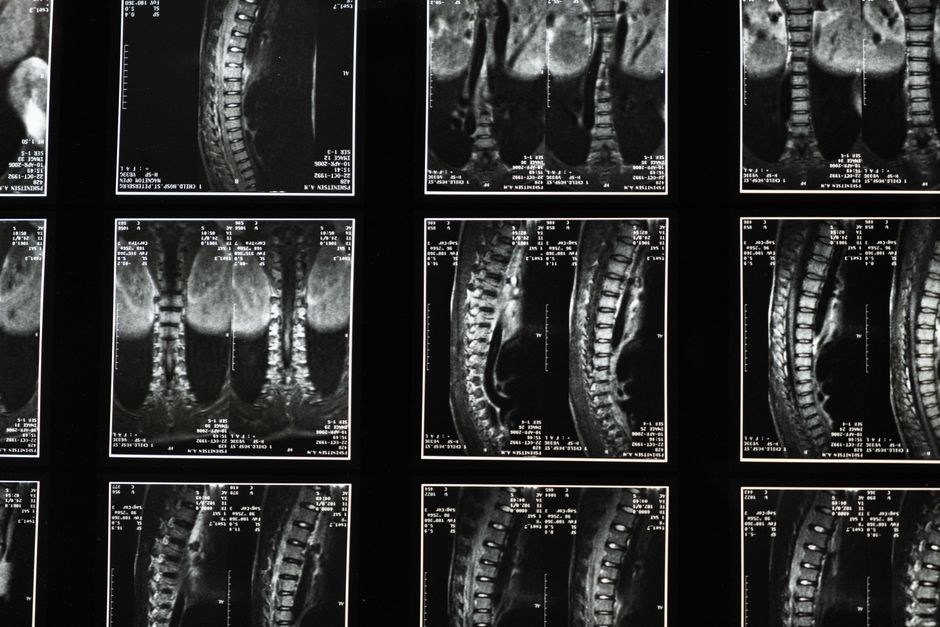
Common Orthopedic Terms in PDFs
Orthopedic PDFs list over 4,000 common musculoskeletal terms in clear, non‑technical language, covering bones, joints, ligaments, and common injuries. A separate section includes 500 frequently used abbreviations and acronyms, aiding clinicians and patients in accurate communication for consistent documentation care.!.
Anatomical Location Terms
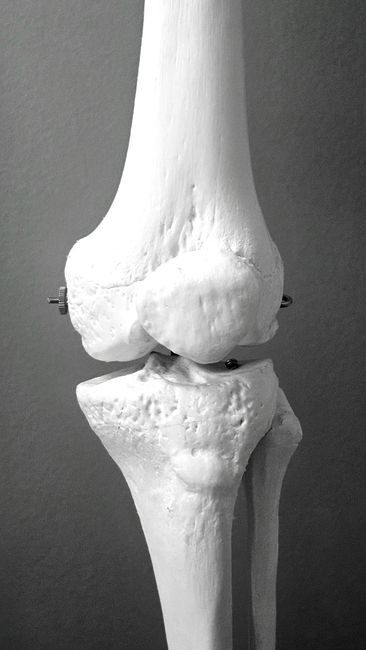
Orthopedic terminology PDFs provide a comprehensive catalogue of anatomical location terms, enabling clinicians to reference precise sites within the musculoskeletal system. These PDFs enumerate the major bone segments—such as the femur, tibia, humerus, and radius—alongside their proximal, distal, medial, lateral, anterior, posterior, and central descriptors. They also detail joint classifications, including the glenohumeral, knee, ankle, and temporomandibular joints, and specify sub‑regions like the medial collateral ligament zone or the lateral meniscus area. By presenting these terms in plain language, the PDFs reduce ambiguity during patient education, surgical planning, and documentation. The inclusion of a structured hierarchy—from general body regions to specific anatomical landmarks—helps practitioners communicate effectively across multidisciplinary teams. Additionally, the PDFs reference standard anatomical atlases, ensuring consistency with international medical nomenclature and facilitating interoperability in electronic health records. For patients, the clear definitions support better understanding of imaging reports and treatment plans, fostering shared decision‑making and adherence to care protocols. These resources provide cross‑referenced images and diagrams, letting clinicians and patients visualize anatomical structures injury patterns concretely. Integrating these PDFs standardizes terminology, cuts documentation errors, and improves outcomes through clearer communication! See Appendix for reference!
Pathology and Injury Terms
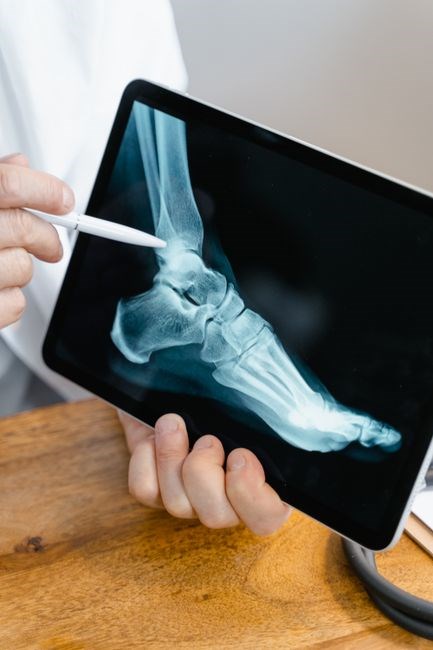
Orthopedic terminology PDFs list a comprehensive set of pathology and injury terms that clinicians use to describe musculoskeletal disorders. They include fracture classifications such as transverse, oblique, comminuted, and greenstick, and specify bone sites like distal radius or femoral neck fractures. Soft‑tissue injuries are also covered, with terms for sprains, strains, tendon ruptures, and ligament tears, referencing structures such as the anterior cruciate ligament or rotator cuff. Standard grading systems are incorporated, for example the AAOS fracture grading and the ICRS cartilage injury scale, to promote consistent reporting. By presenting these terms in plain language, the PDFs help patients grasp diagnoses, treatment options, and prognosis. They also link terminology to imaging findings, enabling radiologists and surgeons to align reports with radiographic evidence. Educationally, the PDFs provide illustrative figures and flowcharts that map injury mechanisms to clinical signs, aiding learning for residents and medical students. The inclusion of these terms in a searchable PDF format streamlines documentation, reduces clerical errors, and supports evidence‑based decision making. Overall, this resource fosters clearer communication among multidisciplinary teams and improves patient outcomes by ensuring a shared, accurate understanding of each injury or pathology. Clinicians can reference this PDF during consultations to clarify terminology, ensuring patients leave with a precise mental model of their condition and treatment plan, which enhances adherence and satisfaction!!!
Abbreviations and Acronyms
Orthopedic PDFs feature a curated list of 500+ abbreviations and acronyms, from common terms like ORIF and TKA to codes such as AO and MCL. These concise entries aid clinicians and patients in reference, enhancing clarity during documentation and discussion. for clarity!
Frequently Used Abbreviations
Orthopedic terminology PDFs routinely feature a dedicated section listing more than 500 abbreviations and acronyms that are essential for accurate documentation and effective communication. This curated list includes common surgical codes such as ORIF (Open Reduction and Internal Fixation), TKA (Total Knee Arthroplasty), and ACL (Anterior Cruciate Ligament), as well as diagnostic shorthand like X‑ray, MRI, and CT. The Florida Orthopaedic Society’s dictionary, for example, offers a comprehensive glossary that defines each abbreviation in plain language, ensuring that both clinicians and patients can understand the shorthand used in operative reports, discharge summaries, and follow‑up notes. By providing clear, non‑technical explanations, these PDFs help reduce misunderstandings that often arise when patients encounter unfamiliar acronyms during consultations. Additionally, the manual of orthopedic terminology available as a PDF includes a separate section that cross‑references each abbreviation with its full term, usage context, and typical frequency in practice. This systematic approach not only supports medical staff in maintaining consistency across charts but also empowers patients to ask informed questions about their treatment plans. The inclusion of such a resource in electronic health records and printed handouts demonstrates a commitment to transparency and patient education, ultimately fostering trust and improving outcomes in orthopedic care. Such PDFs serve as tools, reinforcing terminology consistency for staff.
Patient Understanding and Communication
Orthopedic terminology PDFs bridge gaps between clinicians and patients by translating jargon into clear,language. Studies show patients often misinterpret terms; concise glossaries improve comprehension, reduce anxiety, foster decision‑making during care patient!!.
Impact on Patient Comprehension
Studies reveal that patients often lack basic knowledge of anatomical locations, even when the issue concerns those very regions. In up to 41% of consultations, clinicians overestimate patient understanding, a trend observed across medical and surgical fields. Illness‑related stress and reduced attention further diminish comprehension. Orthopedic terminology PDFs, offering over 4,000 non‑technical definitions and 500 concise abbreviations, directly address these gaps. By presenting complex concepts in plain language, such resources enhance patient engagement, reduce anxiety, and support informed decision‑making. Clear, accessible terminology also facilitates accurate symptom reporting and adherence to treatment plans, ultimately improving clinical outcomes and patient satisfaction.
The practical benefits of clear terminology are evident in shared decision‑making scenarios. When patients grasp the meaning of terms like ‘arthroplasty’ or ‘osteotomy,’ they can weigh risks, benefits, and alternatives more accurately. Surveys indicate that patients who receive glossary sheets report higher confidence in postoperative care instructions and are less likely to miss follow‑up appointments. Moreover, improved comprehension reduces the likelihood of malpractice claims stemming from miscommunication. For clinicians, well‑structured PDFs serve as quick reference tools during consultations, ensuring consistent use of terminology and minimizing the need for repetitive explanations. This method eases anxiety for patients in during recovery.

Educational Resources and PDFs

Key online glossaries, such as the Florida Orthopaedic Society’s PDF, list 4,000+ terms with plain‑language definitions and 500 abbreviations. Sample manuals and downloadable PDFs provide structured learning, enabling clinicians and patients to reference terminology quickly during care. for education.!
Key Online Glossaries and Dictionaries
Online glossaries serve as dynamic repositories for orthopedic terminology, allowing clinicians, students, and patients to access up‑to‑date definitions without the need for printed manuals. The Florida Orthopaedic Society (FOS/FAOE) offers a freely downloadable PDF that contains more than 4,000 frequently used musculoskeletal terms written in plain language, along with a dedicated section of 500 abbreviations and acronyms. This resource is widely cited in academic and clinical settings for its breadth and clarity.
Another prominent example is the “Orthopedic Surgery: Anatomical Terms of Location” manual, available as a PDF and TXT download. It provides a systematic overview of anatomical terminology, including joint names, bone landmarks, and common injury descriptors, making it a valuable reference during pre‑operative planning and postoperative discussions.

In addition to these PDFs, several online dictionaries offer searchable interfaces. The National Library of Medicine’s MedlinePlus Glossary includes orthopedic terms with lay explanations, while the American Academy of Orthopaedic Surgeons (AAOS) hosts a searchable database of procedural and diagnostic vocabulary. These web‑based tools complement static PDFs and allow real‑time updates and cross‑referencing with related medical concepts.
Digital glossaries often link terms to anatomical diagrams, letting users visualize structures while reading definitions. This multimodal approach improves retention and eases patient education quickly!!
Online glossaries serve as dynamic repositories for orthopedic terminology, allowing clinicians, students, and patients to access up‑to‑date definitions without the need for printed manuals. The Florida Orthopaedic Society (FOS/FAOE) offers a freely downloadable PDF that contains more than 4,000 frequently used musculoskeletal terms written in plain language, along with a dedicated section of 500 abbreviations and acronyms. This resource is widely cited in academic and clinical settings for its breadth and patient‑friendly explanations.
Another widely used resource is the “Orthopedic Surgery: Anatomical Terms of Location” manual, available as a PDF and TXT download. It systematically outlines joint names, bone landmarks, and common injury descriptors, making it an indispensable tool for surgeons preparing operative plans and for residents learning the lexicon of the musculoskeletal system.
In addition, the American Academy of Orthopaedic Surgeons (AAOS) offers a downloadable PDF titled “Orthopedic Terminology Glossary.” This manual includes definitions of procedural terms, imaging descriptors, and common postoperative complications, and is designed to aid both clinicians and patients in understanding the language of orthopedic care.
These sample PDFs provide a blend of depth and accessibility, allowing users to reference precise definitions while also benefiting from clear, lay‑person explanations that enhance patient communication and education.
These PDFs, updated annually, include interactive case studies and imaging examples, keeping readers current with evolving terminology daily??

Best Practices for Creating Orthopedic Terminology PDFs
Creating a high‑quality orthopedic terminology PDF begins with a clear scope: define the target audience, whether it is for surgeons, residents, or patients, and select terms accordingly. Use a consistent, non‑technical style, and provide concise definitions that avoid jargon. Incorporate a structured layout with alphabetical sections, sub‑categories for anatomical locations, pathologies, and procedural terms, and a separate index of abbreviations. Visual aids such as labeled diagrams, schematic joint illustrations, and sample radiographs enhance comprehension, especially for complex concepts. Ensure each entry includes a pronunciation guide and, where possible, a short example sentence that demonstrates usage in a clinical context. Cross‑referencing related terms improves navigability; hyperlinks in the PDF should lead to the relevant section or external resources. Quality control is essential: have multiple reviewers—ideally a clinician, a medical educator, and a patient advocate—verify accuracy and clarity. Update the document annually to reflect new terminology, emerging procedures, and changes in clinical guidelines. Finally, make the PDF accessible: use searchable text, embed metadata, and provide a plain‑text version for screen‑reader compatibility. By following these steps, creators produce a reliable, user‑friendly resource that supports both clinical practice and patient education. These PDFs should be reviewed annually to incorporate updated terminology terms!!!