Discover how a tailored gluten‑free plan can improve of life, reduce symptoms, and support long‑term health. This guide offers practical insights, meal ideas, and a downloadable PDF to help you navigate daily eating safely and confidently. You’ll gain confidence choosing foods that keep you healthy and satisfied.
Overview of Celiac Disease and Diet Importance
Celiac disease is an autoimmune disorder triggered by gluten ingestion, leading to villous atrophy in the small intestine, chronic inflammation, and a wide range of gastrointestinal and extra‑intestinal manifestations such as abdominal pain, diarrhea, weight loss, fatigue, dermatitis herpetiformis, anemia, and bone demineralization. The prevalence is estimated at 1 in 100–200 individuals worldwide, yet many remain undiagnosed due to nonspecific symptoms or atypical presentations.
Diagnosis relies on serologic testing for tissue transglutaminase IgA and endomysial antibodies, followed by confirmatory duodenal biopsy. Once confirmed, the only effective therapy is a lifelong strict gluten‑free diet, which halts immune activation, promotes mucosal healing, and restores nutrient absorption. Adherence dramatically reduces the risk of long‑term complications such as refractory celiac disease, lymphoma, and osteoporosis, while improving overall health status and quality of life.
Dietary compliance demands meticulous label reading, awareness of hidden gluten in processed foods, and avoidance of cross‑contamination in kitchens and restaurants. A well‑structured gluten‑free plan should provide balanced macronutrients, sufficient fiber, and adequate micronutrients, especially iron, calcium, vitamin D, and B‑group vitamins to counteract malabsorption. The accompanying PDF offers a comprehensive meal framework, shopping list, and practical strategies to simplify the transition, ensuring that patients can enjoy flavorful, nutritionally complete meals without compromising safety.
Adopting a gluten‑free diet also supports mental well‑being, reduces stress, and fosters a sense of empowerment in daily choices. !!!
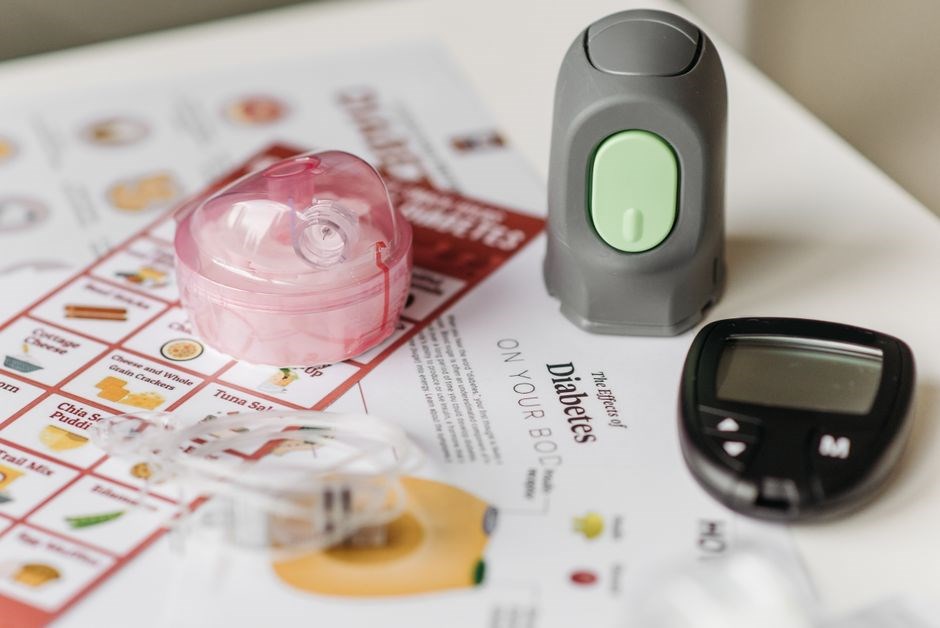
Key Nutrients and Gluten‑Free Diet Principles
Key nutrients for celiac patients include protein, healthy fats, complex carbs, fiber, iron, calcium, vitamin D, B12, and omega‑3s. Gluten‑free staples such as quinoa, buckwheat, amaranth, and legumes provide these essentials while avoiding wheat, barley, and rye. Check iron and B12 levels regularly, daily now!
Essential Nutrients for Celiac Patients
When gluten is removed, the body’s ability to absorb key nutrients can be compromised. A well‑structured diet must therefore focus on protein, iron, calcium, vitamin D, B12, folate, fiber, omega‑3 fatty acids, zinc, magnesium, and essential vitamins A, C, and E. Protein is critical for tissue repair and immune function; sources such as beans, lentils, chickpeas, quinoa, buckwheat, and amaranth provide high‑quality plant protein without gluten. Iron, often low in celiac patients, can be replenished with lentils, pumpkin seeds, spinach, and fortified gluten‑free breads. Calcium and vitamin D support bone health; fortified almond milk, soy milk, and orange juice, along with leafy greens and canned salmon with bones, are excellent choices.
Omega‑3 fatty acids, found in walnuts, flaxseeds, chia seeds, and algae‑based supplements, help reduce inflammation. Zinc, essential for immune response, is abundant in pumpkin seeds, hemp seeds, and legumes. Magnesium, which aids muscle and nerve function, can be sourced from dark leafy greens, nuts, and whole grains like amaranth. Vitamins A, C, and E act as antioxidants; carrots, bell peppers, citrus fruits, and nuts provide these nutrients. A daily multivitamin tailored for celiac patients can fill gaps, but it should be gluten‑free and free of wheat derivatives.
Regular blood work is recommended to monitor levels of iron, vitamin D, B12, and folate, especially in the first year after diagnosis. A dietitian can help design individualized meal plans that meet caloric needs while ensuring adequate intake of these nutrients. Remember to read labels carefully; even “gluten‑free” products may contain trace amounts of gluten or cross‑contamination risks. By prioritizing nutrient‑dense foods and staying vigilant about labeling, celiac patients can maintain optimal health and prevent long‑term deficiencies.
Hydration supports nutrient absorption and helps maintain energy levels. Aim for 8 cups of water daily and consider herbal teas or infused water for variety. Mindful eating—slowing down, chewing thoroughly, and savoring flavors—enhances satiety and reduces the urge to overeat. Regular exercise, such as brisk walking or yoga, boosts metabolism and keeps weight in check. Stay consistent and listen to your body’s signals now.

Building Your Gluten‑Free Pantry
Start with a clean space. Keep staples like rice, quinoa, buckwheat, amaranth, legumes, nuts, seeds, and gluten‑free flours. Store them in airtight containers, label each, and rotate stock to avoid spoilage. Check labels for hidden wheat, barley, or rye. now and shop.!

Must‑Have Staples and Label Checking

Start with naturally gluten‑free grains: rice, quinoa, amaranth, buckwheat, millet, sorghum. Use legumes—lentils, chickpeas, black beans, split peas—for protein and fiber. Store in airtight containers to keep fresh and avoid cross‑contamination.
Choose certified gluten‑free flours: rice, potato, tapioca, xanthan gum blends. Keep single‑grain flours—almond, coconut, chickpea, oat (certified). Add baking powder, soda, vanilla for treats.
- Whole‑grain cereals (certified) for breakfast.
- Nut and seed mixes for snacks.
- Spices, herbs, condiments—check for hidden wheat or malt.
- Stock cubes—opt for gluten‑free or homemade broth.
- Snack bars—read ingredient lists.
Label checking is vital. Look for “certified gluten‑free” or “gluten‑free.” Verify ingredients: wheat, barley, rye, spelt, kamut, malt, brewer’s yeast, thickeners. When unsure, contact the manufacturer or use a gluten‑free database.
Maintain a rotation schedule: first in, first out. Store packaged goods in a cool, dry area. Label containers with purchase dates to track shelf life. This keeps the pantry organized and gluten‑free, and keep a list of approved brands for reference during shopping and verify each fast!
Sample 7‑Day Meal Plan PDF Overview
The PDF outlines a balanced 7‑day menu featuring gluten‑free grains, lean proteins, and fresh produce Each day includes breakfast, lunch, dinner, snacks, with portion sizes and calorie targets. Quick prep tips and grocery lists help simplify shopping and meal prep!!.
Meal Prep and Portion Control Tips
Preparing meals ahead of time can keep you on track, reduce stress, and help you avoid last‑minute choices that might contain hidden gluten. Start by selecting a few core recipes that you enjoy and that fit your nutritional needs. Use a weekly planner to schedule cooking sessions, and batch‑cook proteins, grains, and vegetables so you have ready‑to‑eat components for the week.

- Plan your portions. Use a digital scale or measuring cups to create consistent serving sizes. A good rule of thumb is a 2:1:1 ratio—half the plate with vegetables, one quarter with protein, and one quarter with gluten‑free grains or starches.
- Use visual cues. A small plate or a portion‑control container can help you see how much you’re eating. For example, a 4‑inch diameter plate is ideal for a balanced meal.
- Label everything; Write the date and contents on containers so you know what’s fresh and what can be frozen. This reduces waste and keeps your pantry organized.
- Keep snacks ready. Portion out nuts, seeds, or fruit into single‑serve bags. This prevents overeating and makes it easier to stick to calorie goals.
- Adjust as needed. If you notice you’re consistently hungry or full, tweak portion sizes or add a protein‑rich snack. Listening to your body is key.
By combining thoughtful planning with clear portion guidelines, you’ll maintain a balanced diet that supports your health while staying gluten‑free.
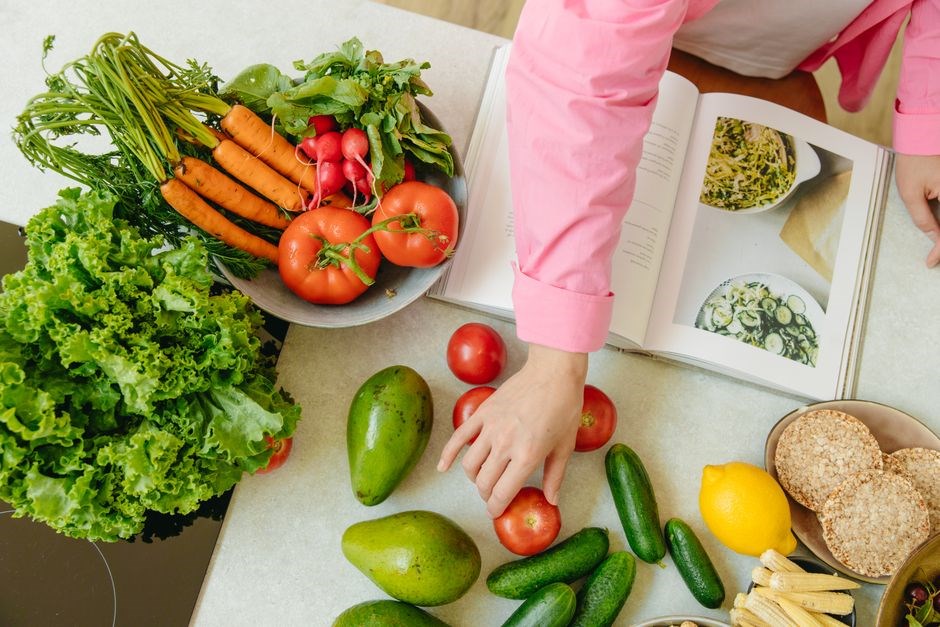
Grocery Shopping and Meal Prep Tips
Shop in the back aisle for certified gluten‑free items, read labels for hidden wheat, and keep a dedicated list. Store separate utensils, use a cutting board for raw meats, and wash produce thoroughly. Plan weekly menus to reduce waste and simplify cooking. stay hydrated.!
Safe Food Handling and Cross‑Contamination Prevention
First, keep your kitchen organized: designate a separate cutting board, set of knives, and utensils exclusively for gluten‑free foods. Store all gluten‑free products in a clearly labeled, sealed container on a dedicated shelf to avoid accidental mixing with wheat‑containing items. When shopping, always check the “gluten‑free” certification symbol and read ingredient lists for hidden sources such as malt, hydrolyzed vegetable protein, or modified food starch. Wash produce under running water, and use a clean brush for firm fruits and vegetables. Use a separate bowl for raw meats, poultry, and seafood, and never place them on the same counter as ready‑to‑eat items. After handling raw proteins, wash your hands, cutting board, and knives with hot soapy water for at least 20 seconds. Dry them with a clean towel or paper towel, and store them in a dry, sealed container. When cooking, use a dedicated pot or pan that has never touched wheat products; if you must use a shared pot, clean it thoroughly with hot, soapy water and rinse with clean water before use. Keep a separate set of serving utensils, plates, and glasses for gluten‑free meals, and store them in a dry area to avoid moisture that can encourage cross‑contamination. When reheating leftovers, use a microwave or oven that has been cleaned and is free from residue. If you share a kitchen with others who consume gluten, establish a strict schedule for cleaning surfaces and utensils, and communicate clearly about which items are safe. By following these steps, you can reduce accidental gluten exposure and keep a daily diet.!

Common Pitfalls and How to Avoid Them
Beware of hidden gluten in sauces, processed meats, and even seemingly safe items like oats. Read labels, avoid cross‑contamination, and keep a dedicated gluten‑free pantry. Regularly audit your kitchen to stay safe. Keep a food log and seek dietitian advice now.
Hidden Gluten and Misleading Labels
Even products marketed as “gluten‑free” can harbor trace amounts of gluten, especially when processed in facilities that also handle wheat, barley or rye. The U.S. Food & Drug Administration (FDA) allows a maximum of 20 parts per million (ppm) for a product to be labeled gluten‑free, but many individuals with celiac disease experience symptoms at lower thresholds. Be wary of “natural flavor” or “seasoning” that might be derived from wheat or barley. When shopping, opt for pre‑packaged items that are individually sealed and have a clear gluten‑free certification. Reading the entire ingredient list, including the “may contain” statements, helps you avoid accidental exposure. By staying vigilant and asking the right questions, you can protect yourself from hidden gluten and ensure that your diet plan remains safe and effective.
Misleading ingredients are another common source of hidden gluten. Terms like “malt,” “brewer’s yeast,” “hydrolyzed vegetable protein,” “modified food starch,” and “flavoring” can all contain gluten derivatives. Be wary of “natural flavor” or “seasoning” that might be derived from wheat or barley. Some companies provide a “gluten‑free” option on the same product line, but it may still be processed on shared equipment, so a separate certification is essential.
Cross‑contamination can occur in the kitchen or at the store. Even a single grain of wheat dust can exceed the 20 ppm threshold. By using dedicated utensils, cutting boards, and cookware for gluten‑free items. Store gluten‑free foods in sealed containers away from wheat products. When shopping, opt for pre‑packaged items that are individually sealed and have a clear gluten‑free certification. Reading the entire ingredient list, including the “may contain” statements, helps you avoid accidental exposure. By staying vigilant and asking the right questions, you can protect yourself from hidden gluten and ensure that your diet plan remains safe and effective. Always double‑check ingredient lists before cooking.andkeep a station.
Resources and Next Steps
Download the comprehensive PDF guide for meal plans, shopping lists, and safety tips. Visit our website or contact your dietitian for personalized support. Join online communities, subscribe to newsletters, and stay updated on new research and product releases. Stay informed, share, and empower your journey!
Where to Download the PDF and Further Reading
Download the full Celiac Diet Plan PDF from our resources page. Click “Download PDF” to open or save the file. It’s available in PDF and EPUB formats for easy reading on any device. The guide includes a 7‑day meal plan, shopping list, nutritional guidelines, and safety tips for avoiding cross‑contamination. It also offers a glossary of gluten‑free terms and a list of certified brands. For further reading, visit the Celiac Disease Foundation (celiac.org), Academy of Nutrition and Dietetics (eatright.org), and Gluten‑Free Living blog (glutenfreeliving.com). The National Institute of Diabetes and Digestive and Kidney Diseases (NIDDK) provides comprehensive medical and dietary strategies. Consult a registered dietitian for personalized advice. Join our community forum to share experiences and stay motivated on your gluten‑free journey. Happy planning! Remember to keep a small, dedicated gluten‑free section in your pantry to avoid accidental contamination. Label all items clearly and store them separately from regular staples. When cooking, use clean utensils and surfaces, and wash produce thoroughly. If you’re dining out, ask the server about gluten‑free options and confirm that the kitchen follows strict separation practices. Staying informed and vigilant helps you maintain a safe, balanced diet while enjoying a variety of flavors. Finally, keep a small notebook or app to track your meals, noting any symptoms, and review it weekly to adjust portions and ingredients for optimal health. Enjoy the trip.