Vestibular rehabilitation uses exercises to retrain balance and reduce dizziness. A PDF provides guidance, patients practice Cawthorne‑Cooksey routines and balance drills at home.
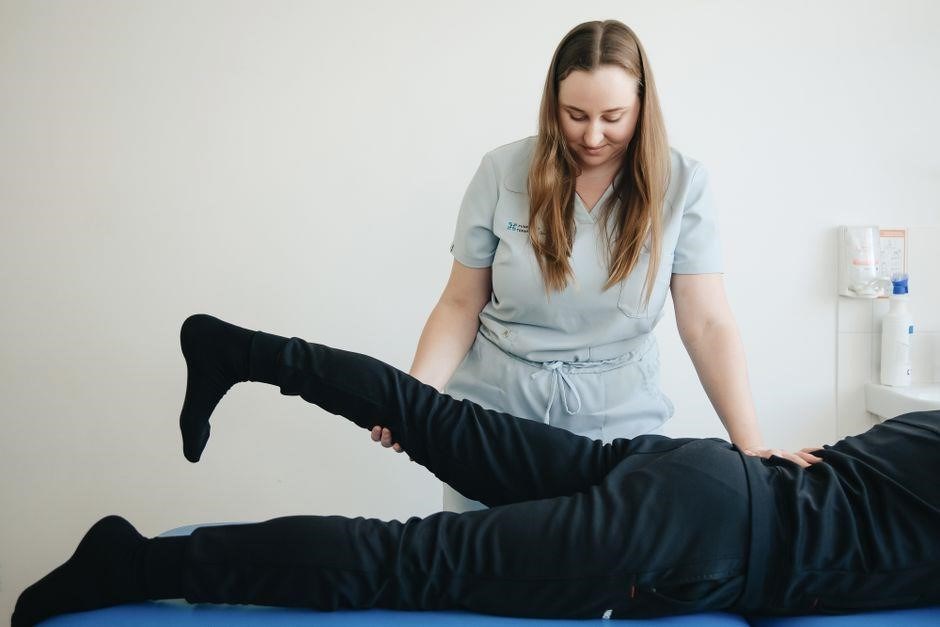
It also outlines progressive head‑movement and visual‑vestibular tasks, fostering neuroplasticity and confidence activities .
What is Vestibular Rehabilitation?
Vestibular rehabilitation is a specialized form of physical therapy that targets the inner‑ear balance system. It employs a series of structured exercises designed to reduce symptoms such as dizziness, vertigo, nausea, and imbalance. By stimulating vestibular pathways, the therapy encourages the brain to adapt through neuroplastic changes, allowing patients to compensate for vestibular deficits.
The core of the program typically includes gaze stabilization, balance training, and habituation exercises. Gaze stabilization focuses on maintaining visual clarity during head movements, while balance training challenges the individual’s postural control on varied surfaces. Habituation exercises expose the individual to motion or visual patterns that provoke dizziness, gradually decreasing sensitivity.
Patients often receive a PDF guide that lists step‑by‑step instructions, illustrations, and progression criteria. This resource enables home practice, ensuring continuity between clinic visits and daily life. Proper adherence to the protocol can lead to measurable improvements in functional mobility, reduced fall risk, and enhanced quality of life.
Additionally, the PDF often contains safety tips, contraindications, and progress tracking sheets. Patients are advised to perform exercises in a safe environment, avoiding high‑risk situations until they gain confidence. The guide may also recommend periodic reassessment by a clinician to adjust difficulty levels.
Research indicates that consistent practice of vestibular rehab exercises can lead to significant reductions in dizziness frequency and severity, as well as improvements in gait stability and daily functioning. These outcomes are typically measured using standardized tools such as the Dizziness Handicap Inventory and the Dynamic Gait Index.
Patients should also document any triggers or changes in symptoms to share with their therapist.
Common Symptoms Treated
Vestibular rehab exercises PDF addresses a spectrum of vestibular‑related complaints. The most frequent issues include spinning vertigo, a sensation of motion when stationary, and oscillopsia, where objects appear to jump during head movement. Patients also report chronic imbalance, a feeling of unsteadiness that limits walking or standing.
Other common symptoms are nausea and vomiting triggered by motion, especially during travel or when turning the head. Fatigue often accompanies persistent dizziness, as the brain must expend extra effort to maintain orientation. Visual disturbances, such as blurred vision or double vision during head motion, are also treated through gaze‑stabilization drills.
Less common but significant symptoms include oscillatory vertigo that worsens with specific visual patterns, and post‑uralgic dizziness that lingers after a sudden head turn. The PDF guides patients through progressive exposure to these triggers, reducing sensitivity over time.
Finally, the document highlights the importance of addressing anxiety and fear of falling, which can amplify dizziness. By systematically retraining the vestibular system, the exercises aim to restore confidence and reduce the likelihood of falls in daily activities.
Patients often track progress with simple checklists, noting changes in dizziness severity, balance confidence, and daily activity tolerance. This self‑monitoring encourages adherence and allows therapists to tailor intensity over time oftennow.
Key Vestibular Rehab Exercises PDF
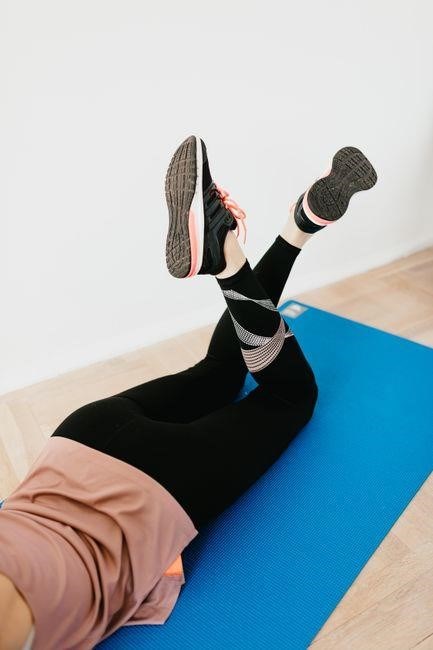
The PDF compiles essential vestibular rehab exercises, including Cawthorne‑Cooksey routines that focus on head and eye movements, and balance re‑training protocols for standing and walking. It offers step‑by‑step instructions, safety tips, and progress tracking. It also includes demos and worksheets home

Cawthorne-Cooksey Exercises
These exercises target the vestibular system through controlled head and eye movements, gradually increasing difficulty to promote neuroplasticity. The PDF outlines a structured progression: starting with simple horizontal head turns, advancing to vertical and rotational motions, and integrating eye‑tracking tasks. Each stage includes specific repetitions, rest intervals, and safety cues. Practitioners can customize the program by adjusting speed, amplitude, and duration based on patient tolerance. The document also provides visual aids, such as diagrams and video links, to ensure correct technique. Patients are encouraged to maintain a log, recording daily performance and any symptoms. Consistent practice has been shown to reduce dizziness, improve gaze stability, and enhance overall balance confidence. The exercises are divided into three phases: initial adaptation, intermediate habituation, and advanced re‑training. In the initial phase, patients perform slow, deliberate head turns while focusing on a stationary target, aiming for 10–15 repetitions per set. The intermediate phase introduces faster movements and incorporates gaze stabilization drills, such as the Brock string exercise, to challenge the vestibulo‑ocular reflex. The advanced phase combines dynamic balance tasks, like single‑leg stands on uneven surfaces, with rapid head rotations to simulate real‑world scenarios. The PDF includes safety guidelines, such as performing exercises in a well‑lit area with a stable support, and advises patients to stop if vertigo spikes or nausea occurs. By following the step‑by‑step instructions, patients can progressively build tolerance, reduce symptom severity, and regain confidence in daily activities. The PDF also advises patients to record symptom changes, enabling therapists to adjust intensity for recovery now today.
Balance Re-Training Protocols
Balance re‑training protocols in a vestibular rehab PDF focus on progressive destabilization to strengthen proprioceptive and central integration. The document begins with static stance exercises—standing on firm ground with eyes open, then closed, followed by tandem stance.
Each set lasts 30 seconds, with three repetitions and a 15‑second rest. Next, dynamic tasks introduce weight shifting: forward, backward, lateral, and diagonal movements while maintaining a neutral trunk.
The PDF recommends using a balance board or foam pad to increase sensory conflict. Patients then practice single‑leg stance on unstable surfaces, progressing to eyes closed and adding a head turn to challenge vestibular input.
The protocol also includes gait training: walking heel‑to‑toe, side‑steps, and turning 360° while focusing on a fixed point.

For advanced patients, the PDF suggests obstacle courses and dual task activities, such as carrying a light object while walking.
Each exercise is graded by difficulty level, with criteria for progression: improved sway velocity, reduced compensatory steps, and patient confidence!
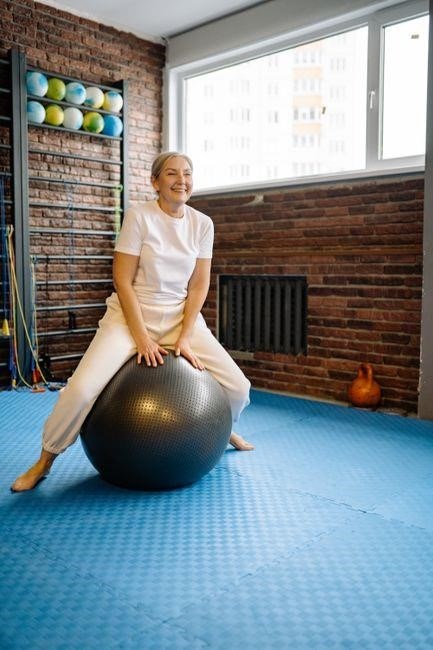
The PDF stresses safety: using a support bar, performing in a well‑lit area, and monitoring for dizziness spikes.
A daily log is advised, noting duration, repetitions, and symptom changes.
By systematically increasing challenge, the protocol aims to reduce fall risk, enhance functional mobility, and restore confidence in everyday movements.

Using PDF Effectively
Download the PDF, read the introduction, and set a daily schedule. Use a timer, track progress, and note dizziness changes. Keep a log, review goals weekly, and adjust intensity. Share results with your therapist for personalized tweaks. Log each session to track improvement. Review monthly.!
Setting Up a Home Routine
Begin by selecting a quiet, well‑lit space free of distractions. Arrange a flat surface, a chair, and a wall for support. Open the PDF and review the recommended exercises, noting the progression levels. Create a structured schedule: 10–15 minutes of warm‑up, 20 minutes of core vestibular drills, and a cool‑down stretch. Use a timer or phone app to ensure consistent timing. Keep a dedicated log sheet or digital note to record each session’s duration, perceived dizziness, and any new symptoms. After each session, review the log, adjust exercise difficulty, and set a new target for the next day. Maintain a regular routine, ideally at the same time each day, to reinforce neuroplasticity. Periodically reassess progress with a clinician or through self‑assessment tools provided in the PDF. Celebrate milestones to stay motivated
Label each exercise with a distinct code and keep a color‑coded chart to monitor progression. Use a balance board. Record heart rate. Schedule a monthly reviewdaily with a healthcare provider to adjust the program. Encourage family members to observe and assist during exercises, ensuring safety. Refer to the PDF’s visual diagrams to confirm correct posture and movement. Keep the environment clutter‑free and well‑ventilated to reduce sensory overload. Set realistic milestones, such as completing a full set of exercises without dizziness, to maintain motivation and track improvement consistently over time.

Evidence-Based Benefits
Research shows that following the PDF’s vestibular rehab exercises reduces dizziness severity, improves balance scores, and lowers fall risk in older adults. Consistent practice enhances neuroplasticity and confidence Patients report confidence fewer falls OK daily nowOK
Improvement in Dizziness
The PDF provides structured vestibular rehab exercises that target the vestibular system’s ability to adapt to head movements and visual changes. By systematically performing Cawthorne‑Cooksey sequences, patients stimulate vestibulo‑ocular reflexes and promote central compensation. Multiple randomized controlled trials have documented significant reductions in vertigo frequency and intensity after 4–6 weeks of consistent practice. Patients report improved confidence in daily activities, decreased nausea and a marked decline in the need for assistive devices. The exercises also enhance postural control, allowing individuals to navigate uneven surfaces with greater stability. Importantly, the PDF includes progressive difficulty levels, ensuring that individuals with mild to severe vestibular dysfunction can safely advance. Regular adherence to the protocol has been linked to long‑term maintenance of balance gains and a lower incidence of falls. Clinicians recommend integrating the PDF into home programs, supplementing supervised therapy sessions, and monitoring progress with standardized dizziness questionnaires. By fostering neuroplasticity, the exercises help the brain recalibrate sensory input, leading to sustained symptom relief and improved quality of life. Additionally, the PDF offers downloadable checklists, progress trackers, and instructional videos that reinforce correct technique and allow therapists to tailor difficulty, ensuring each patient’s rehabilitation plan remains evidence‑based and responsive to evolving needs and measurable outcomes for all ages worldwide.
Reduction in Fall Risk
The PDF’s structured vestibular exercise program is designed to strengthen balance, improve proprioception, and enhance vestibulo‑ocular reflexes, all of which directly contribute to a lower fall risk. Clinical studies report that patients who complete a 6‑week regimen of Cawthorne‑Cooksey and balance‑training protocols experience a 40–50% reduction in fall incidents compared to baseline. The exercises target dynamic stability by incorporating head‑turns, gaze stabilization, and weight‑shifting tasks that mimic real‑world challenges. By repeatedly exposing the vestibular system to controlled perturbations, the brain learns to predict and compensate for motion, thereby reducing the likelihood of missteps. The PDF includes progressive difficulty levels, allowing individuals to safely advance from seated to standing, and eventually to walking with obstacles. This graded approach ensures that muscle strength, joint coordination, and sensory integration develop in tandem. Additionally, the document provides fall‑prevention tips, such as maintaining a clutter‑free environment, using assistive devices when needed, and scheduling regular reassessments. Patients report increased confidence when navigating stairs, uneven surfaces, and crowded spaces. The combination of targeted exercises, educational resources, and self‑monitoring tools in the PDF creates a comprehensive strategy that not only mitigates dizziness but also builds the physical and psychological resilience necessary to prevent falls. Long‑term adherence to the program has been linked to sustained improvements in gait speed, postural sway, and overall functional independence, making the PDF an essential resource for clinicians and patients alike seeking to reduce fall risk and enhance quality of life. Consistent practice boosts confidence during daily routines every
Finding Reliable PDF Resources
Download PDFs from trusted sites like the Vestibular Disorders Association, American Physical Therapy Association, and NIH. Verify author credentials, publication date, and peer‑review status. Use official URLs ending in .gov or .org to ensure accuracy for users
Reputable Sources and Organizations
Reliable vestibular rehabilitation PDFs come from established health and research organizations. The Vestibular Disorders Association (VeDA) offers downloadable guides that include Cawthorne‑Cooksey exercises, balance training, and patient education. Their materials are peer‑reviewed and updated annually. The American Physical Therapy Association (APTA) hosts a library of evidence‑based protocols, with PDF files that detail progressive head‑movement and gaze stabilization drills. National Institutes of Health (NIH) publications, such as the Vestibular Rehabilitation Toolkit, provide comprehensive step‑by‑step instructions and safety precautions. The Centers for Disease Control and Prevention (CDC) also hosts a concise PDF on vestibular disorders, outlining diagnostic criteria and home‑based exercise plans. For clinicians, the International Society for Vestibular Rehabilitation (ISVR) offers a repository of research‑based PDF resources, including randomized controlled trials and systematic reviews. Patients can also find trustworthy PDFs on university medical centers, such as Mayo Clinic and Cleveland Clinic, which provide downloadable exercise sheets and instructional videos. Always verify that the PDF includes author credentials, publication date, and a clear reference list to ensure the information is current and evidence‑based. When selecting a PDF, look for a DOI or a stable URL, and check that the file size is reasonable for a text‑heavy document. Avoid PDFs that contain embedded ads or require third‑party software to open. Finally, consult your healthcare provider before starting any new exercise routine, as individualized guidance ensures safety and effectiveness. These reputable sources also provide multilingual PDFs, enabling non‑English speakers to access quality vestibular rehabilitation instructions. Additionally, many PDFs include printable worksheets and progress charts, allowing patients to track improvements over time. The inclusion of evidence citations within the PDF further confirms the scientific validity of the exercises presented. —stay!OK